Ontario’s Home & Vehicle Modification Program: A Helpful Resource for Seniors Aging at Home
Daniel Clarke – May 24, 2026
For many older adults in Ontario, the goal is simple: stay at home safely for as long as possible.
But as mobility changes with age, even everyday things like climbing stairs, getting into the shower, or safely entering a vehicle can become difficult. That’s where Ontario’s Home & Vehicle Modification Program (HVMP) can help.
Administered by March of Dimes Canada, the program provides funding to eligible Ontarians with mobility-related disabilities to make accessibility upgrades to their home or vehicle. The goal is to help people remain independent, reduce safety risks, and continue participating in their community.
For seniors and their loved ones, this program can make a real difference.
What Is the Home & Vehicle Modification Program?
The Home & Vehicle Modification Program is funded by the Government of Ontario and administered through March of Dimes Canada.
The program helps cover the cost of modifications that improve accessibility and safety for people with long-term mobility impairments.
That could include things like:
- Installing grab bars in a bathroom
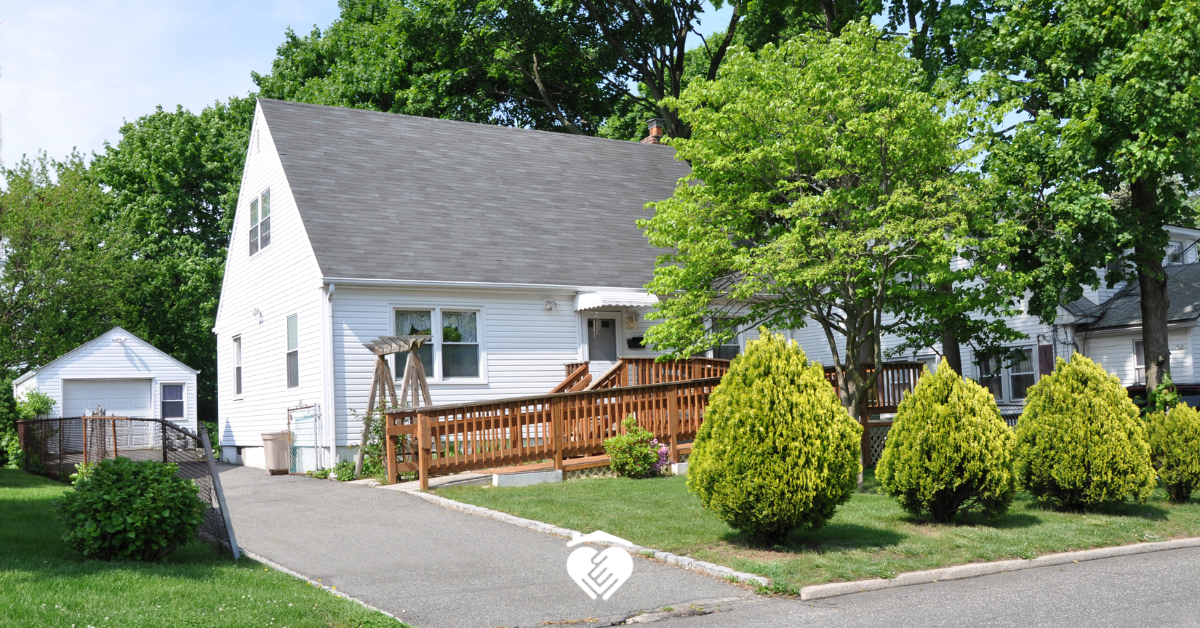
- Adding a wheelchair ramp
- Installing a stair lift
- Converting a bathtub into a walk-in shower
- Widening doorways
- Modifying a vehicle with accessibility equipment
For many families, these changes can help an older adult stay in their home longer and avoid a premature move into retirement living or long-term care.
Why This Matters for Seniors
A lot of seniors want to age in place. In simple terms, that means continuing to live at home rather than moving into a care setting.
But homes are often not designed for aging. Something as small as a few stairs at the front entrance or a slippery bathtub can become a major safety issue after:
- a fall
- a stroke
- a Parkinson’s diagnosis
- worsening arthritis
- declining mobility
- the use of a walker or wheelchair
Accessibility upgrades can significantly improve safety and independence.
For caregivers, these modifications can also reduce physical strain and stress. Something like a stair lift or accessible shower may help a spouse or adult child continue supporting their loved one safely at home.
What Does the Program Cover?
The program can provide:
- Up to $15,000 lifetime maximum for home modifications
- Up to $15,000 every 10 years for vehicle modifications
Eligible home modifications may include:
- ramps
- stair lifts
- porch lifts
- grab bars
- wheel-in showers
- widened doorways
- lowered countertops
- accessible pathways
- lifting and transfer devices
Eligible vehicle modifications may include:
- wheelchair lifts
- hand controls
- specialized seating
- lowered vehicle floors
- garage accessibility modifications
The program may also help cover:
- installation costs
- labour
- contractor-related work
- design and assessment costs tied to approved modifications
Who Is Eligible?
As of 2026, applicants generally must:
- Be a permanent Ontario resident
- Have a substantial ongoing disability or impairment expected to last at least one year
- Have mobility restrictions that affect daily living activities
- Meet financial eligibility requirements
The program is income-tested, which means household income can impact how much funding is available.
Ontario notes that applicants with household income above approximately $35,000 may be required to contribute toward costs.
The program is intended to support people with the greatest financial need, and applicants are expected to first explore other available funding sources like insurance coverage or workplace benefits.
One Important Tip: Don’t Start Renovations Too Early
This is a big one.
Families should avoid starting renovations before receiving approval from the program. Starting work too early could affect eligibility for funding.
Before applying, it’s a good idea to:
- Speak with an occupational therapist if possible
- Gather quotes from contractors
- Review the eligibility guidelines carefully
- Submit all required paperwork before beginning work
How to Apply
The official application process is managed through March of Dimes Canada.
The best starting points are:
- HVMP Overview & Program Information
- HVMP Eligibility Information
- HVMP Application Information
- Ontario Government HVMP Page
Families typically need:
- medical documentation
- proof of income
- contractor quotes
- completed application forms
Other Programs Seniors Should Know About
Depending on where you live in Ontario, there may also be additional supports available through:
- municipal accessibility grant programs
- Ontario Renovates programs
- federal tax credits like the Home Accessibility Tax Credit (HATC)
- Ontario’s Assistive Devices Program (ADP)
In some cases, these programs can be combined to reduce overall out-of-pocket costs.
Final Thoughts
Many families don’t realize accessibility funding programs like HVMP exist until they’re already in a crisis situation after a fall, hospitalization, or sudden health change.
But planning ahead can make a huge difference.
Small modifications can help seniors:
- stay safer
- maintain independence
- reduce fall risks
- ease caregiver stress
- continue living comfortably at home longer
And in many cases, programs like Ontario’s Home & Vehicle Modification Program can help make those changes more affordable.