Companies
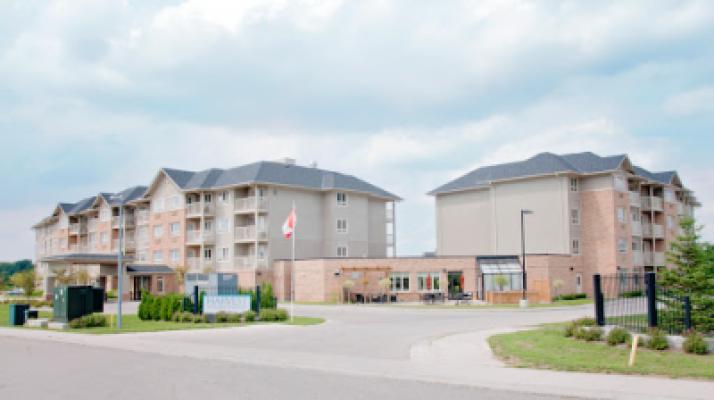
Aspira Harvest Crossing Retirement Living
Dynamic living thrives in a vibrant community where personalized care and meaningful social experiences are prioritized. With thoughtfully prepared meals and a variety of living options tailored to individual needs, residents enjoy a lifestyle that fosters independence and connection, all within a warm and welcoming atmosphere.
View Profile
Tillsonburg Retirement Residence
Nestled against a scenic ravine and walking trail, this residence fosters a warm, neighborly atmosphere where residents experience daily support and meaningful connections. With a dedicated team providing around-the-clock care, the property combines the charm of a historic home with modern comforts, ensuring that each individual enjoys a nurturing environment that feels like family.
View Profile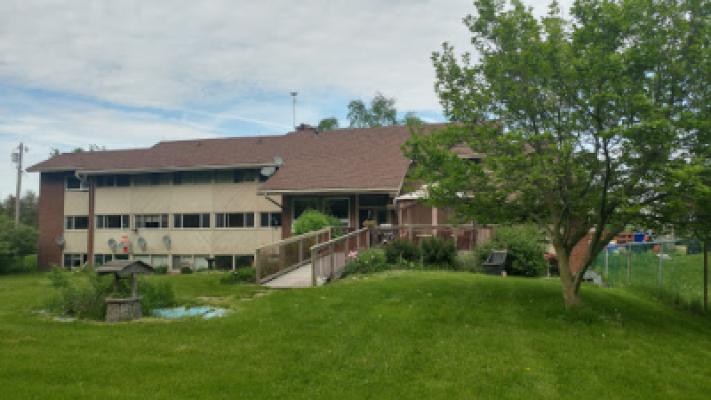
Dayspring Residence
Nestled in a serene environment, Dayspring Residence embodies a compassionate, home-like atmosphere where each resident is celebrated as an individual, fostering a sense of belonging and community. With a focus on personalized care, this residence blends professional support with heartfelt connections, allowing seniors to thrive in a space designed for living fully and joyfully, rather than merely existing.
View ProfileFrequently Asked Questions
What is assisted living?
Assisted living is a type of senior living designed for people who need regular help with daily activities like bathing, dressing, grooming, medication management, or mobility, but who don't require the around-the-clock nursing care provided in a long-term care home. Residents typically have their own private or semi-private suite within a larger residence and receive personalized support based on their individual care plan. Assisted living strikes a balance between maintaining as much independence as possible and having trained staff available when help is needed.
What is the difference between assisted living and a retirement home?
In Ontario, assisted living is generally a level of care offered within a retirement home rather than a completely separate type of facility. Retirement homes serve a broad range of residents, from those living independently to those who need significant daily support. Assisted living refers specifically to the higher-support end of that spectrum, where staff help with personal care tasks on a regular basis. When browsing retirement home options, it's worth asking whether they offer assisted living services and what those packages include, since not all retirement homes provide the same level of care.
What is the difference between assisted living and long-term care?
Assisted living is designed for seniors who need help with daily activities but can still manage with periodic support throughout the day. Long-term care is intended for individuals with more complex medical needs who require 24-hour nursing supervision. In Ontario, long-term care homes are government funded and regulated by the province, while assisted living is typically offered within privately operated retirement homes at the resident's own expense. If your loved one's needs go beyond what assisted living can provide, a long-term care home may be the more appropriate option.
How much does assisted living cost in Ontario?
Assisted living costs in Ontario vary depending on the residence, the size of the suite, and the level of care required. Monthly fees generally range from around $3,500 to $7,000 or more, with pricing typically higher than independent living due to the added care services. Most residences use a tiered or à la carte pricing model, where a base fee covers accommodation and meals and additional care services are layered on depending on individual needs. Because costs can add up quickly, it's important to ask for a full breakdown of what's included and what's billed separately.
Is assisted living in Ontario government funded?
Assisted living in Ontario is generally not government funded. Because it's most commonly offered within privately operated retirement homes, residents are responsible for covering the cost of accommodation, meals, and care services out of pocket. This is in contrast to long-term care homes, which receive provincial funding and have government-regulated rates. However, some residents may qualify for financial assistance through programs such as the Accommodation Funding for Seniors, veterans' benefits, or tax credits like the Medical Expense Tax Credit. It's worth exploring all available options to help offset costs.
How do I know if my loved one needs assisted living?
Signs that a loved one may benefit from assisted living include difficulty with personal care tasks like bathing, dressing, or grooming, challenges managing medications safely, frequent falls or mobility concerns, and noticeable changes in nutrition or hygiene. If they're currently living independently — either at home or in an independent living setting — but need more hands-on help than occasional check-ins can provide, assisted living offers a structured level of daily support without the clinical intensity of a long-term care home. A conversation with their doctor or a senior care advisor can help determine whether the time is right to make the transition.
What services are typically included in assisted living?
Assisted living services usually include help with personal care tasks such as bathing, dressing, grooming, toileting, and medication management. Most residences also provide meals, housekeeping, laundry, and access to social and recreational programming. Beyond the basics, many homes offer additional services like physiotherapy, wellness monitoring, fall prevention programs, and 24-hour emergency response. The specific services included in a base care package vary between residences, so it's important to compare what each home offers and what comes at an additional cost.
What should I look for when choosing an assisted living home?
Focus on the quality of care first. Ask about staff-to-resident ratios, how care plans are developed and updated, and what training caregivers receive. Visit in person to observe how staff interact with residents and assess the cleanliness, safety features, and overall atmosphere. In Ontario, make sure the residence is licensed by the Retirement Homes Regulatory Authority (RHRA) and ask about recent inspection results. It's also worth asking how the home handles changing care needs — ideally, the residence can adjust the level of support over time without requiring a move.
Can couples live together in assisted living?
Yes, many assisted living residences in Ontario offer suites for couples, even when each partner has different care needs. Each person can have their own individualized care plan while still sharing a suite and daily life together. When exploring options, ask about double occupancy pricing, suite sizes, and how the home manages situations where one partner's care needs increase significantly. Staying together during this transition is a priority for many families, and most residences are equipped to accommodate it.
What happens if care needs increase beyond what assisted living can provide?
If a resident's health declines to the point where assisted living is no longer sufficient, the next step is usually a transition to a long-term care home where 24-hour nursing care is available. In Ontario, placement into long-term care is coordinated through Ontario Health atHome and can involve a waitlist. Some retirement homes offer a wide enough range of care levels that residents can receive enhanced services without moving right away, so it's worth asking upfront how each residence handles increasing care needs and what the process looks like if a transition becomes necessary.