Companies

Stayner Care Centre
Compassionate nursing and personal support services create a warm atmosphere where residents can thrive, fostering a sense of community and well-being within a welcoming environment.
View Profile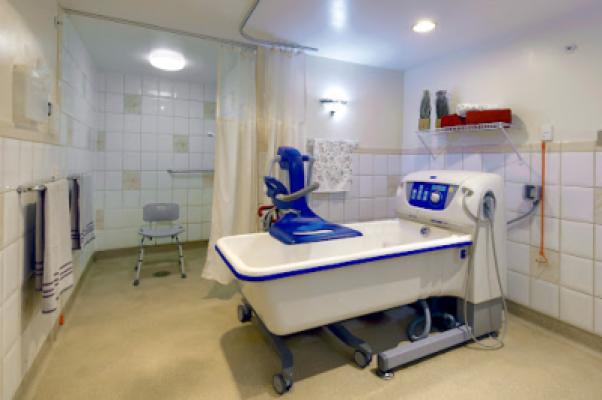
Sara Vista
Recreational and leisure programs enrich daily life, complemented by individualized assessment and care planning tailored to each resident's needs. With a registered nurse available around the clock, residents benefit from restorative and rehabilitation services, alongside convenient housekeeping and laundry assistance, ensuring a supportive and engaging environment.
View ProfileBay Haven Nursing Home
With a focus on holistic well-being, this long-term care home provides 24-hour support, delicious meals, and a variety of recreational activities, all within inviting dining and activity spaces. Residents also benefit from convenient on-site hairdressing and barber services, ensuring a comfortable and engaging lifestyle.
View ProfileSunset Manor Home for Senior Citizens
With a commitment to compassionate care, this nonprofit long-term care home provides a wide range of personal support and health services, ensuring residents receive the attention they need from a dedicated team of registered nurses, practical nurses, dietitians, and therapists. Short-stay options are available for individuals seeking temporary relief, allowing caregivers to rest while their loved ones enjoy the same quality services as long-term residents.
View ProfileCollingwood Nursing Home
With a focus on compassionate care, this long-term care facility provides 24-hour nursing and personal assistance, ensuring residents receive the support they need in a welcoming atmosphere. Engaging recreational and social programs, along with essential services such as meals, rehabilitation, and personal hygiene supplies, foster a sense of community and well-being.
View Profile
Creedan Valley Care Community
With 24/7 nursing and personal care, this community fosters a supportive atmosphere where residents can engage in exercise classes and participate in various recreational programs, all while benefiting from on-site medical care and rehabilitation services.
View ProfileFrequently Asked Questions
What is long-term care?
Long-term care is a type of residential care designed for people who need 24-hour nursing supervision and support with daily activities that can no longer be safely managed at home or in a retirement home setting. Residents in long-term care homes typically have complex medical needs, significant cognitive decline such as advanced dementia, or physical limitations that require ongoing professional care. In Ontario, long-term care homes are regulated and partially funded by the provincial government, which distinguishes them from privately operated retirement homes.
What is the difference between long-term care and a retirement home?
Long-term care homes provide 24-hour nursing and personal care for residents with complex or high-level medical needs, while retirement homes cater to seniors who are more independent and need less hands-on support. In Ontario, long-term care is partially funded by the government and placement is coordinated through Ontario Health atHome, whereas retirement homes are privately operated and residents can move in directly. The level of care your loved one requires is the main factor in determining which option is the right fit.
What is the difference between long-term care and assisted living?
Assisted living is designed for seniors who need regular help with daily activities like bathing, dressing, and medication management but can still function with periodic support throughout the day. Long-term care is a step beyond that, providing around-the-clock nursing care for individuals with more complex medical conditions, advanced cognitive decline, or serious physical limitations. In Ontario, assisted living is typically offered within privately operated retirement homes at the resident's expense, while long-term care homes receive provincial government funding and operate under stricter regulatory oversight.
How much does long-term care cost in Ontario?
In Ontario, the cost of long-term care is partially subsidized by the provincial government. Residents pay a daily co-payment for accommodation, which varies depending on the type of room. Basic shared accommodation is the most affordable option, while private and semi-private rooms cost more. The government sets these rates and updates them annually. Residents who cannot afford the basic rate may apply for a rate reduction through the long-term care home. Care and nursing services are covered by the province and are not billed separately to the resident.
Is long-term care in Ontario government funded?
Yes, long-term care in Ontario is partially funded by the provincial government. The province covers the cost of nursing and personal care services, while residents are responsible for a daily co-payment that covers accommodation and meals. The co-payment amount depends on the room type — basic, semi-private, or private — and rates are set by the government each year. Financial assistance is available for residents who have difficulty affording even the basic accommodation rate, ensuring that access to long-term care is not entirely dependent on ability to pay.
How do I apply for long-term care in Ontario?
The process starts by contacting Ontario Health atHome, which coordinates all long-term care assessments and placements across the province. You can reach them by calling 1-833-515-1234, seven days a week, and your call will be directed to the nearest local office. A care coordinator will assess your loved one's needs and, if they're eligible, help them get placed on a waitlist for long-term care homes of their choosing. Applicants can typically select up to five preferred homes. Wait times vary significantly depending on location and room type, so it's a good idea to start the process early, even if the move isn't immediately urgent. Your loved one's doctor, a hospital discharge planner, or a community care provider can also help initiate the referral.
How long is the wait for long-term care in Ontario?
Wait times for long-term care in Ontario vary widely depending on the region, the specific home, and the type of room requested. In some areas, waits can range from several months to over a year, with private rooms generally having longer wait times than basic shared accommodation. Demand consistently exceeds supply across the province, which is why many families are encouraged to begin the application process well in advance of when care is urgently needed. Your local Ontario Health atHome office can give you a general idea of current wait times in your area.
What should I look for when choosing a long-term care home?
Start by visiting homes in person to observe the quality of care, cleanliness, and how staff interact with residents. Ask about staffing levels, how care plans are developed, and what medical services are available on-site. Look into the home's inspection history, which is publicly available through the Ontario Ministry of Long-Term Care. Pay attention to the social environment as well — meal quality, recreational programming, and how engaged residents seem during your visit all say a lot about the culture of a home. If possible, speak with families of current residents to get an honest perspective.
What happens during the transition to long-term care?
Once a bed becomes available at one of your selected homes, you'll typically have a short window to accept the offer. The home will work with you and your loved one to coordinate the move, including gathering medical records, developing an initial care plan, and orienting the family to routines and visiting policies. The adjustment period can be emotional for everyone involved, and most homes have staff or social workers available to support residents and families through the transition. Staying involved, visiting regularly, and communicating openly with the care team can make a meaningful difference in how smoothly things go.
Can couples be placed together in long-term care?
It's possible but not guaranteed. Ontario does have provisions that prioritize reuniting spouses in the same long-term care home, and in some cases couples can share a room. However, because placement depends on bed availability and each person must individually qualify for long-term care, the timing doesn't always align. If keeping your parents or partners together is a priority, make sure to communicate that clearly during the application process. Your care coordinator can help advocate for co-placement, though it may require some flexibility on which home you choose.