Companies

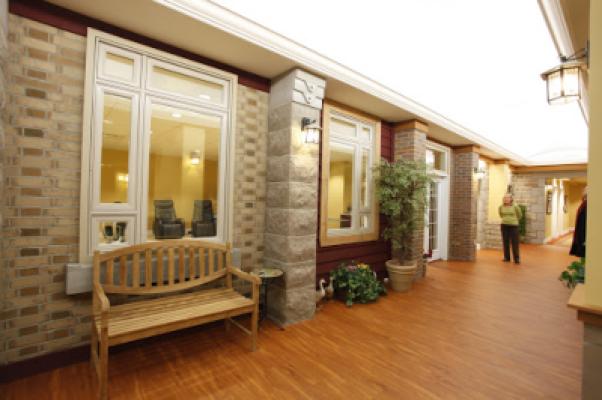
Aspira Waterford Kingston Retirement Living
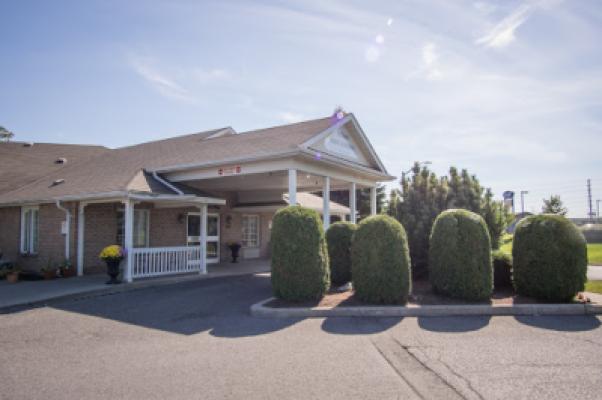

Aspira Royale Place Retirement Living

St. Lawrence Place
Waterfront living at St. Lawrence Place combines contemporary elegance with the charm of Kingston’s historic downtown, allowing residents to enjoy chef-inspired meals and engage with a vibrant community. With tailored support services and a compassionate team available around the clock, seniors experience the perfect balance of independence and wellness-focused assistance in a nurturing environment.
View Profile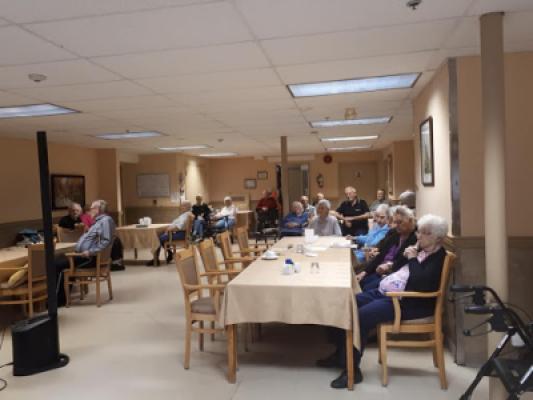
Briargate Retirement Home
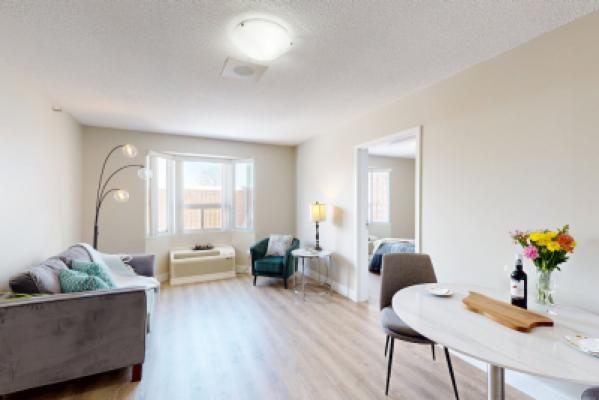
With stunning views of Lake Ontario, this residence promotes an enriching lifestyle through delicious, seasonally inspired dining and a vibrant calendar of social activities that foster connections among residents. Comfortable and elegant spaces, such as a cozy fireside lounge and private dining room, create a warm atmosphere where seniors can relax and enjoy their days free from chores, while personalized care options ensure that each individual's needs are met in a supportive environment.
View ProfileFrequently Asked Questions
What is respite care?
Respite care is temporary, short-term care designed to give primary caregivers a break while ensuring their loved one continues to receive the support they need. It can last anywhere from a few days to a few weeks, depending on the arrangement and the type of facility. Respite care is commonly used when a family caregiver needs time to rest, recover from illness, travel, or manage other responsibilities. It's available in a variety of settings in Ontario, including retirement homes, long-term care homes, and adult day programs.
Is respite care the same as hospice care?
No, respite care and hospice care are very different. Respite care is temporary care meant to give a caregiver a planned break, with the expectation that the person receiving care will return home afterward. Hospice care, also known as palliative care, focuses on comfort and quality of life for individuals with a terminal illness and is not time-limited in the same way. The two are sometimes confused because both involve care during a difficult period, but their purposes are distinct. If you're looking for short-term relief as a caregiver, respite care is the term you're looking for.
Who is respite care for?
Respite care benefits both the person receiving care and the caregiver providing it. It's designed for families and individuals who are managing ongoing care at home — whether for a senior with mobility challenges, someone living with dementia, or a loved one recovering from illness or surgery. Caregiving is demanding, and taking regular breaks is essential to avoiding burnout. Respite care ensures your loved one is looked after in a safe, supportive environment while you step away to recharge.
How much does respite care cost in Ontario?
The cost of respite care in Ontario depends on where and how it's provided. Short-stay respite in a long-term care home is available at a government-set daily rate, which makes it one of the more affordable options. Respite care in a retirement home is typically privately priced and varies by residence, level of care, and length of stay. Adult day programs may also be offered at lower or subsidized rates depending on the provider. It's worth contacting your local Ontario Health atHome office to find out which options are available in your area and whether any financial assistance applies.
How do I arrange respite care in Ontario?
A good starting point is to contact Ontario Health atHome at 1-833-515-1234. A care coordinator can assess your loved one's needs and help you explore respite options, including short-stay programs in long-term care homes and community-based alternatives. Many retirement homes also offer respite stays that you can arrange directly with the residence. If your loved one is already receiving home care services through Ontario Health atHome, your existing care coordinator can help organize respite as part of your care plan. Planning ahead is recommended, as short-stay beds and program spaces can have waitlists.
How long can someone stay in respite care?
The length of a respite care stay varies depending on the setting and the program. Short-stay respite in a long-term care home in Ontario is typically available for up to 60 days per calendar year, though individual stays may be shorter. Retirement homes often offer more flexible arrangements and can accommodate stays of a few days to several weeks depending on availability. Adult day programs provide daytime respite on a recurring or drop-in basis. Your care coordinator through Ontario Health atHome can help you determine what duration and frequency of respite makes sense for your situation.
What should I look for when choosing a respite care provider?
Start by considering what matters most for your loved one's comfort and safety during the stay. Key factors include the level of care provided, staff qualifications, the environment and cleanliness of the facility, and whether the setting can accommodate any specific needs such as dementia care or mobility support. Ask about daily routines, meals, social activities, and how the staff handles emergencies. If you're considering a retirement home, confirm that it's licensed by the Retirement Homes Regulatory Authority. For short-stay respite in a long-term care home, your Ontario Health atHome care coordinator can walk you through the available options and what to expect.
Can respite care lead to a permanent stay?
It can, but that's not its primary purpose. Some families use a respite stay as an opportunity to see how their loved one adjusts to a residential setting, and in some cases it helps inform a decision about a longer-term move. In retirement homes, transitioning from a respite stay to permanent residency is often straightforward if space is available and the fit is right. For long-term care homes, a permanent placement still requires a formal application and assessment through Ontario Health atHome, regardless of whether a respite stay has already taken place. Respite care is meant to be temporary, but it can be a helpful step in a larger conversation about future care needs.