Companies

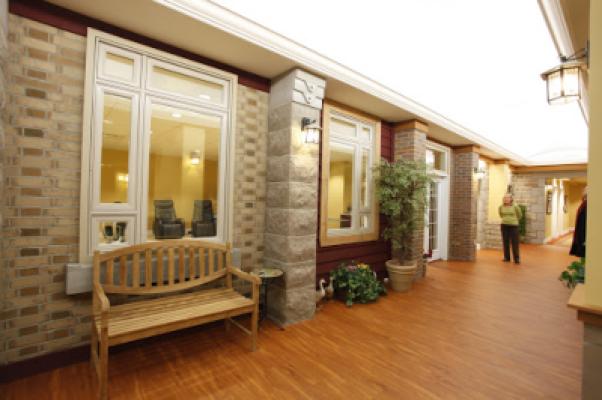
Aspira Waterford Kingston Retirement Living
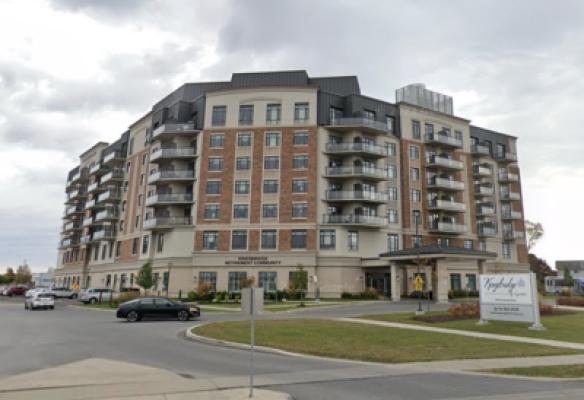
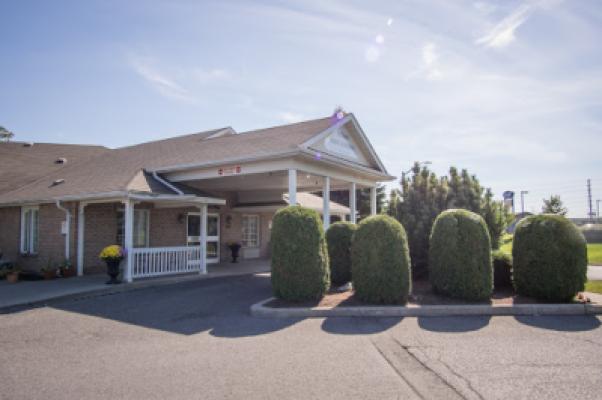

Aspira Royale Place Retirement Living
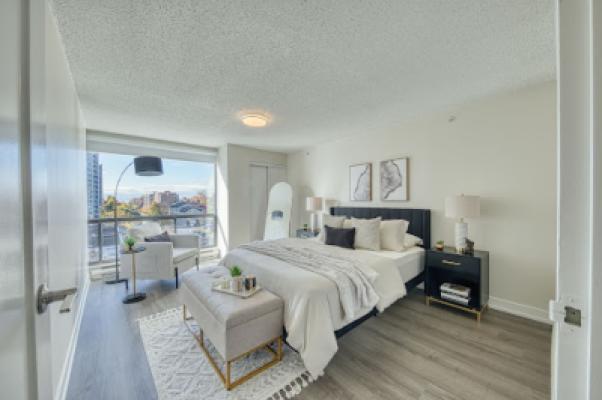
St. Lawrence Place
Waterfront living at St. Lawrence Place combines contemporary elegance with the charm of Kingston’s historic downtown, allowing residents to enjoy chef-inspired meals and engage with a vibrant community. With tailored support services and a compassionate team available around the clock, seniors experience the perfect balance of independence and wellness-focused assistance in a nurturing environment.
View Profile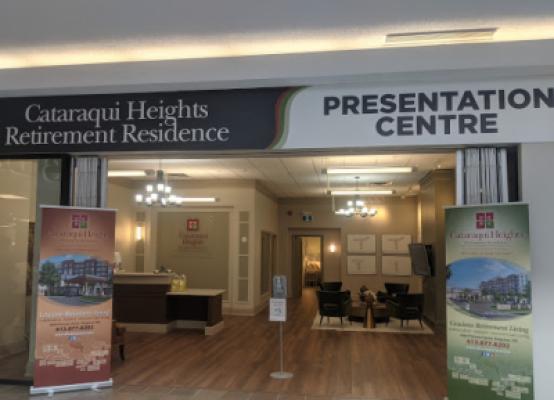
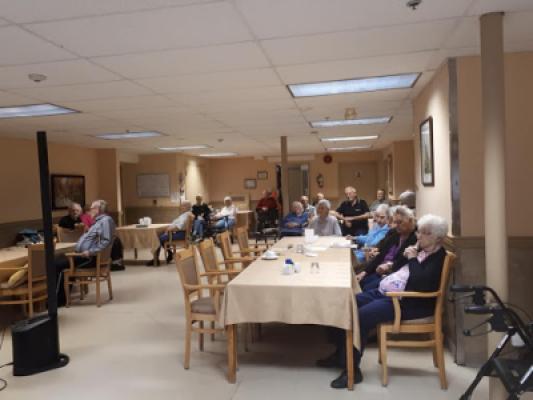
Cataraqui Heights Retirement Residence
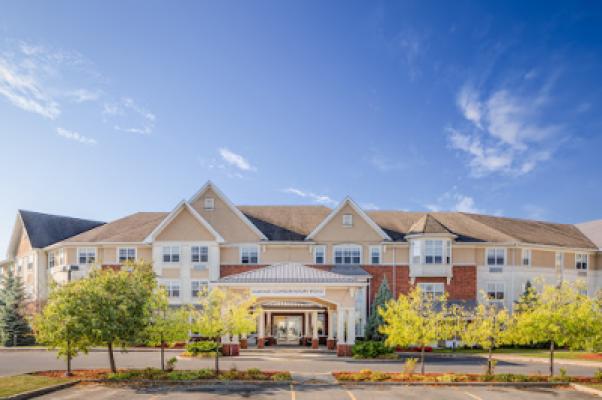
Chartwell Conservatory Pond Retirement Residence
Surrounded by lush landscapes and a serene pond, this residence fosters a peaceful yet engaging retirement lifestyle, offering personalized support tailored to individual needs. With a compassionate team dedicated to empowering residents, the community strikes a harmonious balance between independence and assistance, ensuring peace of mind while enjoying vibrant daily activities and nutritious meals.
View Profile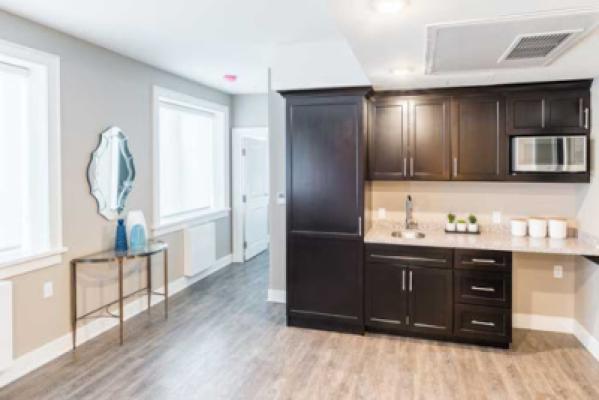
Briargate Retirement Home
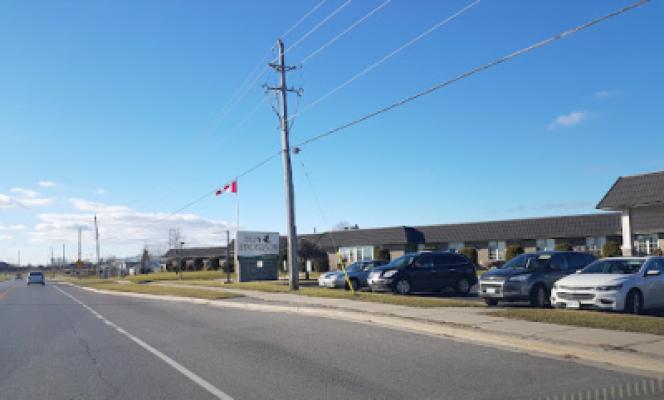
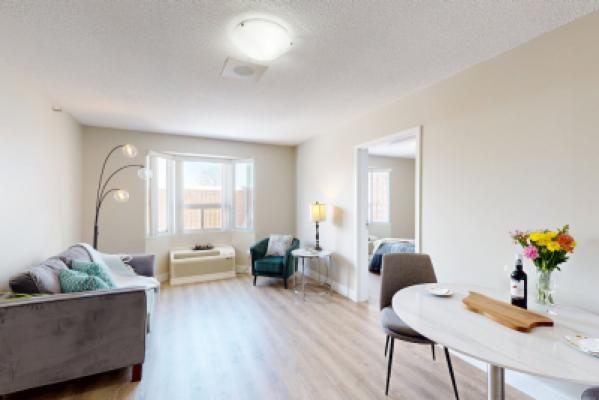
With stunning views of Lake Ontario, this residence promotes an enriching lifestyle through delicious, seasonally inspired dining and a vibrant calendar of social activities that foster connections among residents. Comfortable and elegant spaces, such as a cozy fireside lounge and private dining room, create a warm atmosphere where seniors can relax and enjoy their days free from chores, while personalized care options ensure that each individual's needs are met in a supportive environment.
View ProfileFrequently Asked Questions
What is the difference between a retirement home and a long-term care home?
Retirement homes are privately operated residences for seniors who can live relatively independently but want access to support services, social activities, and meals. Long-term care homes (sometimes called nursing homes) provide 24-hour nursing and personal care for people with more complex medical needs who can no longer manage daily tasks on their own. In Ontario, retirement homes are regulated by the Retirement Homes Regulatory Authority (RHRA), while long-term care homes are funded and overseen by the provincial government. The right choice depends on the level of care your loved one needs — many families start with a retirement home and transition to long-term care if needs increase over time.
Do all retirement homes offer independent living?
Not all retirement homes offer independent living, but many do. Independent living suites are designed for seniors who are largely self-sufficient and don't require regular help with daily activities like bathing, dressing, or medication management. These residents typically enjoy their own private apartment with access to shared amenities like dining rooms, fitness areas, and social programming. If independence is a priority, it's worth confirming with each residence what level of support is included and what's available on an optional basis.
Do all retirement homes offer assisted living?
No, not every retirement home provides assisted living services. Assisted living is designed for seniors who need regular help with daily activities such as bathing, dressing, medication reminders, or mobility support, but who don't require the full-time nursing care provided in a long-term care home. In Ontario, many retirement homes offer a range of care levels within the same building, so residents can move from independent living to assisted living as their needs change. When exploring your options, ask each home about the specific care services they provide and whether they can accommodate increasing care needs over time.
Are retirement homes in Ontario government funded?
Retirement homes in Ontario are generally not government funded. They are privately operated, and residents pay out of pocket for accommodation, meals, and care services. This is different from long-term care homes, which receive provincial government funding and have costs that are partially subsidized. That said, some Ontario retirement home residents may be eligible for financial assistance through programs like the Accommodation Funding for Seniors or veterans' benefits. It's always worth checking whether any provincial or federal support programs apply to your situation.
How much does a retirement home cost in Ontario?
The cost of a retirement home in Ontario varies widely depending on location, suite size, and the level of care included. On average, monthly fees typically range from around $2,000 for basic independent living to $6,000 or more for comprehensive assisted living packages. Most retirement homes operate on an all-inclusive or tiered pricing model that covers rent, meals, housekeeping, and access to amenities, with additional care services available at extra cost. Because pricing differs significantly from one residence to another, it's a good idea to request a detailed fee breakdown when comparing your options.
How do I know if my parent needs a retirement home?
Common signs include difficulty managing daily tasks like cooking, cleaning, or personal hygiene, increased isolation or loneliness, frequent falls or safety concerns at home, or trouble keeping up with medications. A retirement home can be a good fit when your parent is still relatively independent but would benefit from a more supportive and social living environment. It doesn't have to be a response to a crisis — many families find that moving earlier, while a parent can still enjoy the social aspects and settle in comfortably, leads to a better experience overall. Speaking with your parent's doctor or a senior care advisor can help you assess the right timing.
What should I look for when choosing a retirement home?
Start by considering location, level of care, and budget, then visit in person to get a feel for the environment. Key things to evaluate include staffing levels, meal quality, cleanliness, safety features, and the range of social and recreational activities offered. In Ontario, confirm that the home is licensed with the Retirement Homes Regulatory Authority (RHRA), and ask about their most recent inspection results. It's also worth talking to current residents or their families to hear firsthand about their experience. A good retirement home should feel welcoming and be transparent about what's included in their fees and what costs extra.
Are retirement homes in Ontario licensed and regulated?
Yes. In Ontario, all retirement homes are required to be licensed by the Retirement Homes Regulatory Authority (RHRA), an independent regulatory body established under the Retirement Homes Act, 2010. The RHRA conducts regular inspections, investigates complaints, and enforces standards related to safety, care, and residents' rights. You can check a retirement home's licensing status and inspection history on the RHRA's public register. Choosing a licensed home is one of the most important steps you can take to ensure your loved one is living in a safe and accountable environment.
Can couples live together in a retirement home?
Yes, many retirement homes in Ontario offer suites that accommodate couples, allowing partners to stay together while accessing the support and amenities they need. In some cases, couples with different care levels can still share a suite, with individualized care plans tailored to each person. It's a good idea to ask about suite availability, pricing for double occupancy, and how the home handles situations where one partner's care needs change over time. Staying together can make a significant difference in quality of life during a major transition.